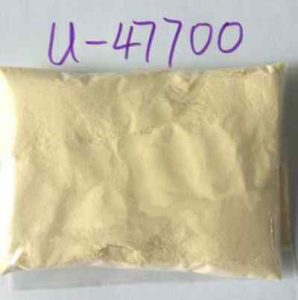
The mysterious substance, commonly referred to as U-47700, initially lacked a official designation beyond its research identifier. Its authentic chemical name is N-(3-hydroxyphenyl)-N-[1-(4-methoxyphenyl)propan-2-yl]acetamide, a somewhat lengthy designation reflecting its synthetic origin. Developed in the early 2000s by Dr. Unna at the University of Bonn in Germany, U-47700 was originally synthesized as a potential experimental analgesic, acting as a potent agonist for the kappa opioid receptor. Its genesis stemmed from efforts to find alternative pain alleviators – a quest that u-47700 wikipedia ultimately led to its current notoriety far removed from its projected therapeutic use.
Unraveling the Street Names for U-47700
U-47700, a synthetic painkiller , is often known by various code names, making recognition difficult. These unofficial labels shift frequently, complicating attempts to understand its use . Users and sources might use phrases like “Pink,” referring to its original appearance ; “Blue Joker,” a blend possibly linked to a particular batch ; or simply “U,” a shortened version of the substance's name. This crucial to remember that these monikers are dynamic and can change geographically and over time .
- Pink
- Blue Joker
- U-Four
What Does U-47700 Pills Seem As An Photo Directory
Understanding this appearance of U-47700 capsules can be difficult , as they are often made in varying sizes by various illicit sources. Commonly, these drugs are found as little rectangular pressed blocks, but deviations are common . You might encounter them in colors ranging from off-white to bluish-gray . Sometimes , they can potentially be pink, although such colors are less common . The size is typically approximately 5-8 tiny units in length and about 2-4 millimeters in breadth . Note that this is only a typical description and the actual form can vary significantly.
The Dark Web & U-47700: Examining Online Sales
The shadowy depths of the dark web has become a notorious platform for the unlawful sale of dangerous substances, most lately drawing scrutiny due to the presence of U-47700, a potent opioid. Studies reveal a disturbingly accessible network where individuals can purchase this and other synthetic compounds, often with minimal oversight or control. This phenomenon raises serious worries about public health and the simplicity with which harmful materials can be circulated globally, prompting agencies to increase their attempts to disrupt these online activities.
U-47700: Recognizing the Dangers and Purchasing Practice
U-47700, a synthetic substance, presents extreme dangers to users who contemplate to acquire it. Its potency is thought to be considerably more than that of morphine , making simply a tiny quantity potentially lethal. Scarcity of comprehensive research on its chronic impacts and unknown interactions with other substances contribute to its unavoidable risk. Therefore , attempting to buy U-47700 is highly advised against and poses a grave threat to well-being .
Beyond the Label : Investigating the True Nature of U-47700
U-47700, initially categorized as a research chemical compound, rapidly transformed into something far more troubling. Dismissing the simple label obscures the weighty implications of its actions and likely consequences . Instead of concentrating solely on its chemical structure, a deeper examination reveals a remarkable ability to interact with the opioid receptor system, generating effects that are considerably more intense than many conventional analgesics. Understanding its true character requires moving beyond the simplistic categorization and delving into the scientific functions that drive its unique behavior. This necessitates a multifaceted approach, evaluating not just its chemical properties, but also its impact on organic systems and its role within the larger context of opioid pharmacology.
- Supplemental investigation is needed to completely grasp its total scope .
- Moral implications surrounding its abuse are of utmost relevance.
- General knowledge regarding its risks is vital for mitigation of detrimental effects.